 Home Boarding vs. Traditional Kennels and Pet-Sitting Services: Which Is Right for Your Dog?
When you need someone to care for your dog while you are away, you have several options. Traditional boarding facilities, in-home pet sitters, and home-based boarding can all provide safe and loving care—but each setting offers a different experience.
The best choice depends on your dog’s personality, comfort level, energy, medical needs, and ability to handle new environments. No type of boarding is perfect for every dog. The goal is to choose an arrangement that keeps your pet safe, comfortable, supervised, and emotionally supported.
What Is Home Boarding?
Ultimately, home boarding allows dogs to stay in a caregiver’s private home rather than in a large commercial kennel or completely alone in their own home.
At Krazy Dog Lady’s House, boarding is a full-time family-run service. Dogs stay in a home environment where they can experience everyday family life, including time around adults, children, and—when appropriate and safe—other pets.
Home boarding is designed to provide the comforts of home with additional structure and safety. Dogs may have access to:
- Family time and attention
- Indoor and outdoor play areas
- A designated dog room
- Comfortable resting areas
- Toys and enrichment activities
- Supervised interaction with people and other dogs
- Indoor play during rain, snow, or extreme weather
- Individual routines based on their personality and needs
The experience is not the same as simply bringing a dog into an ordinary home. A boarding home must be prepared for multiple dogs, different temperaments, and the safety concerns that come with caring for unfamiliar pets.
The Benefits of Home-Based Boarding
A more personal and home-like experience
Some dogs become overwhelmed in busy boarding facilities. Consequently a home-based setting may offer a calmer environment with fewer dogs, less noise, and more personal attention.
Instead of spending their entire stay in an unfamiliar commercial building, dogs can become part of a household routine. They may relax in a designated space, spend time with the family, play indoors, or enjoy supervised outdoor activity.
More supervision throughout the day
Many home-based boarding providers are present for much of the day because boarding is their primary occupation. Furthermore, this can be especially helpful for dogs that do not do well being alone for long periods. As a result, pet parents can travel knowing their dog has constant companionship and care.
At Krazy Dog Lady’s House, the family is generally home throughout the day because the business is operated full time. Normal errands, appointments, and children’s activities still happen, but the dogs are not typically left alone for an entire workday.
That said, constant supervision is not realistic in any boarding environment. Dogs must still have secure arrangements for periods when caregivers are away, sleeping, or unable to directly supervise.
Space to play and relax
A well-designed home boarding environment can offer more flexibility than a standard home. For example, dogs may have a designated room where they can safely play, jump on approved furniture, enjoy toys, and get their energy out without damaging household furniture or accessing unsafe areas.
Additionally, indoor play can be particularly valuable when weather makes outdoor exercise difficult. In these situations, dogs can stay active without being exposed to extreme heat, storms, ice, or heavy rain.
Individualized routines
Every dog is different. For instance, some want to play constantly, while others prefer to nap near people. On the other hand, many enjoy group activity, while others feel safest with quiet time.
Fortunately, home boarding can make it easier to adjust care around each dog’s needs, including:
- Feeding schedules
- Rest periods
- Exercise requirements
- Social interaction
- Crate use
- Medication routines
- Comfort items
- Anxiety-management strategies
Ultimately, the objective is not to force every dog into the same routine. It is to determine what helps each dog remain safe and comfortable.
Safety Comes Before Freedom
A home-like environment does not mean dogs are allowed to roam without limits all day and night.
Instead, dogs may have opportunities for supervised free time, family interaction, group play, and indoor activities. However, when no one is home to supervise, dogs may be placed in a crate or secure private room.
Consequently, this protects them from common household dangers, such as:
- Chewing furniture or electrical cords
- Getting into trash
- Eating unsafe foods
- Escaping through doors or gates
- Marking or damaging areas of the home
- Chasing cats or other animals
- Conflicts with other boarding dogs
- Injuries caused by unsupervised play
Of course, crates and private rooms should not be viewed as punishment. For many dogs, a properly introduced crate provides a quiet, secure place to rest and decompress.
Some dogs become more anxious when confined to a room and may scratch doors, chew walls, or attempt to escape. Conversely, other dogs feel safer in a crate because it gives them a smaller, predictable space where they cannot be disturbed. Therefore, a responsible provider evaluates the individual dog rather than using one approach for everyone.
Home Boarding and Family Interaction
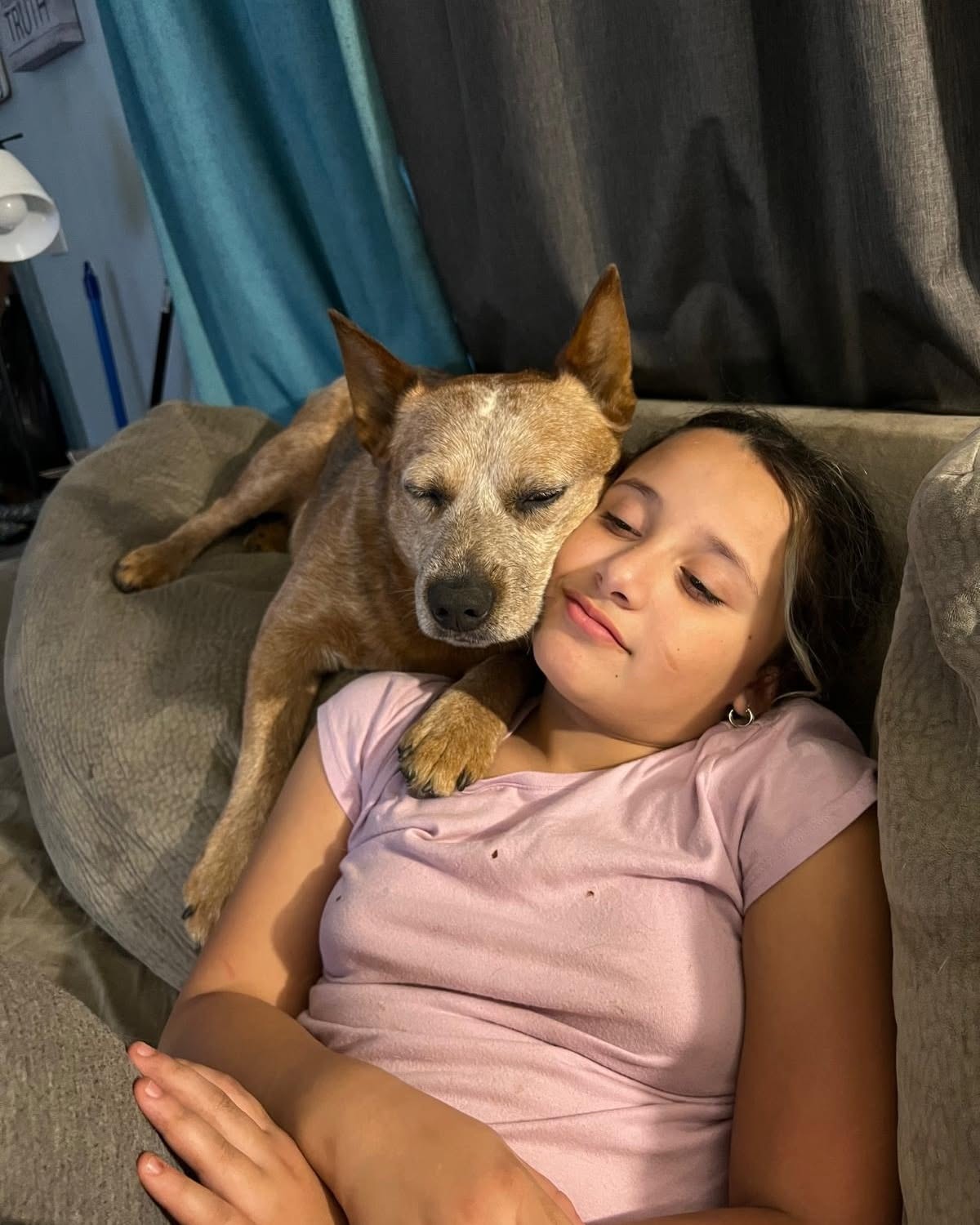
One unique benefit of home boarding is the opportunity for dogs to experience normal family life. Depending on temperament and safety considerations, dogs may spend time with adults, children, and other animals in the household.
Some dogs enjoy:
- Cuddling with family members
- Watching television with the household
- Playing with children under supervision
- Resting near people
- Sleeping near family members
- Exploring a familiar routine
However, not every dog is comfortable around children, cats, or groups of dogs. Interaction should always be supervised and based on the dog’s behavior—not simply assumed because the dog is friendly at home.
Dogs that are calm, socially appropriate, and comfortable around people may be eligible for additional freedom after a successful trial stay. Dogs that need more structure may spend more time in the designated dog area or in their private space.
We provide a loving, cozy environment with the dedicated, personalized attention your pet deserves across Elyria, Sheffield, Avon, North Ridgeville, and Amherst. Spots fill up quickly—visit our booking form today to get a custom quote and schedule your dog’s introductory meet-and-greet!
How Home Boarding Compares With Other Options
Traditional brick-and-mortar boarding facilities
Traditional kennels and boarding facilities can be excellent choices, especially when they are well-managed, clean, properly staffed, and transparent about their policies.
Potential benefits
- Professional boarding infrastructure
- Staff available according to the facility’s schedule
- Options for different play groups
- Experience handling many different types of dogs
Potential challenges
- Larger numbers of dogs
- Barking and higher noise levels
- Unwanted behavior from other dogs
- Less individual attention
- More structured schedules
- Dogs may spend more time in kennels or runs
- The environment may feel overwhelming for sensitive dogs
Some dogs love the activity and social environment of a commercial facility. Others become stressed by constant barking, unfamiliar smells, and frequent dog-to-dog activity.
A traditional facility is not automatically impersonal or unsafe, just as a home environment is not automatically the right choice. Owners should tour the facility, ask questions, and consider how their dog responds to busy settings.
Pet sitters through services such as Rover or Wag
Apps and online marketplaces can connect pet owners with independent sitters or walkers. Depending on the provider, care may take place in the owner’s home, the sitter’s home, or during scheduled visits.
Potential benefits
- Convenient booking
- Ability to compare profiles and reviews
- Options for drop-in visits, walks, overnight care, or boarding
- Often fewer dogs than a large commercial facility
- Potential for one-on-one attention
Potential challenges
- Experience levels can vary significantly
- Availability and supervision may differ from one sitter to another
- Some sitters have other employment or daily commitments
- Dogs may be alone for extended periods
- Safety standards, routines, and emergency plans can vary
- The service may not be designed as full-time boarding care
Many people use pet-sitting platforms as supplemental income rather than as their primary occupation. That does not mean a sitter cannot provide excellent care. However, owners should ask how much time the sitter will actually spend with their dog.
A dog may be allowed to remain uncrated in a sitter’s home but still be alone for most of the day. While a dog may normally stay alone at home, being alone for long periods in a new environment can be confusing or stressful.
- How long will my dog be alone?
- Where will my dog sleep?
- Will my dog be crated?
- Are other pets in the home?
- Who will supervise the dog?
- What happens during work hours or errands?
- Does anyone else have access to the home?
- What is the emergency plan?
- Is there a backup caregiver?
In-home pet sitting
In-home pet sitting allows a dog to remain in its own home while someone visits or stays overnight.
Potential benefits
- The dog remains in familiar surroundings
- No travel to a boarding location
- Regular food, medication, and bathroom routines may continue
- A good choice for dogs that become stressed in unfamiliar environments
- Other household pets can remain home, too
Potential challenges
- Drop-in visits may be brief
- Dogs may be alone between visits
- Overnight care may cost more
- The sitter may not be present constantly
- Home security and access must be considered
- It may not provide enough activity for very social or energetic dogs
In-home sitting can be ideal for independent dogs that are most comfortable in their own space. It may be less suitable for dogs that require constant companionship, frequent exercise, or close supervision.
The Difference Between Home Boarding and Being Alone in a Private Home
Home boarding is sometimes confused with simply leaving a dog loose in someone else’s home. The two experiences are very different.
A professional home boarding environment should have:
- Designated dog-safe spaces
- A plan for separating dogs when necessary
- Secure areas for rest and decompression
- Supervised play
- Rules for introductions
- Emergency procedures
- Clear vaccination requirements
- Procedures for feeding and medications
- A plan for dogs who do not socialize well
- A safe arrangement for times when no one is home
At Krazy Dog Lady’s House, dogs can enjoy the comfort of a home while also having a dedicated environment designed specifically for boarding dogs. This may help prevent common household problems such as getting into trash, chewing furniture, wandering into unsafe areas, or bothering other animals.
Socialization: A Benefit for Some Dogs, Not All
A home boarding environment may allow dogs to interact with other dogs, but group play should never be automatic.
Some dogs enjoy playing with other dogs all day. Others prefer people, quiet spaces, or short periods of interaction. A dog can be friendly without wanting constant dog-to-dog contact.
Safe socialization requires attention to:
- Size and play style
- Energy level
- Body language
- Resource guarding
- Food-related behavior
- Fear or anxiety
- Age and physical limitations
- Comfort around children and cats
Dogs should be separated for meals, high-value treats, rest, or whenever play becomes too intense. A boarding provider should be willing to say that a dog is not a good match for group play if safety or stress is a concern.
Additional Services Available Through Home Boarding
One benefit of choosing a full-time, family-run boarding business is the ability to combine boarding with additional care.
Depending on the dog’s needs and the provider’s policies, services may include:
Exercise and adventure packages
Some dogs need more activity than a casual walk around the block. Additional options may include:
- Extra walks
- Trail outings
- Park visits
- Beach adventures
- One-on-one enrichment
- Structured play sessions
These services can help active or anxious dogs release excess energy. They may also help dogs settle more comfortably during rest periods.
Additional exercise is not necessary for every dog, so offering it as an optional service helps families choose care based on their pet’s actual needs.
Baths and coat care
Dogs can get dirty while playing, hiking, or enjoying outdoor activities. Bathing options may include:
- Basic baths
- Premium baths
- De-shedding treatments
- Flea and tick baths
- Coat brushing
- Freshening before pickup
These services can be convenient for owners who want to return home to a clean, comfortable dog.
Transportation services
Pickup and drop-off services may help busy families manage travel, work, and vacation schedules. Reliable transportation requires clear time windows and communication so that the day remains organized for every dog in care.
Veterinary and grooming coordination
Some boarding providers may be able to coordinate with veterinary clinics or grooming partners. For example, a dog may be able to receive updated vaccinations, attend a veterinary appointment, or visit a groomer during its stay when appropriate arrangements are made.
Owners should always provide written authorization and current medical records, and they should understand exactly who is transporting or handling their pet.
Which Dogs May Enjoy Home Boarding?
Home boarding may be a good fit for dogs that:
- Enjoy spending time with people
- Prefer a home-like environment
- Can adjust to new surroundings
- Benefit from frequent supervision
- Enjoy controlled play and enrichment
- Are comfortable around children or other animals
- Need more attention than a busy kennel can provide
- Become overwhelmed by loud, crowded facilities
It may not be the right fit for every dog. A different option may be better for dogs that:
- Are highly aggressive toward people or other animals
- Cannot safely be around children, cats, or dogs
- Have severe separation anxiety that requires specialized care
- Need round-the-clock medical monitoring
- Are unable to adapt to any new environment
- Require a highly controlled clinical setting
A responsible boarding provider should be honest when a dog’s needs exceed what the home can safely provide.
How to Prepare Your Dog for Boarding
Whether you choose a kennel, sitter, or home boarding provider, preparation can make the experience easier.
Before the stay:
- Schedule a meet-and-greet or trial stay.
This allows everyone to evaluate compatibility before a longer reservation. - Provide accurate behavior information.
Share details about anxiety, resource guarding, escape attempts, reactivity, house-training, and interactions with children or animals. - Bring familiar items.
A blanket, toy, or bed can provide comfort, although valuable or irreplaceable items are best left at home. - Maintain familiar food.
Sudden food changes can cause stomach upset. Send enough food for the entire stay, plus extra if recommended. - Provide current medical records.
Include vaccination information, medications, veterinary contacts, and emergency authorization. - Discuss crate training honestly.
Do not assume that a dog who is calm in a crate at home will automatically feel the same way in a new environment. - Ask about the daily routine.
Understand how your dog will spend time, rest, play, eat, and interact with others. - Keep contact information current.
Make sure the provider knows how to reach you and your emergency contact.
Questions to Ask Any Boarding Provider
Before making a reservation, ask:
- How many dogs are typically cared for at one time?
- How much time will my dog spend alone?
- Where will my dog sleep?
- Is crate-free care available?
- When are dogs crated or placed in private rooms?
- How are dogs introduced?
- Is group play supervised?
- Are children or cats present?
- What happens if my dog becomes anxious?
- What are the vaccination requirements?
- How are medications handled?
- What is the emergency veterinary plan?
- Is there a trial stay?
- What happens if my dog is not comfortable in the environment?
- Are transportation, bathing, grooming, or exercise services available?
The answers should be clear, specific, and consistent with your dog’s needs.
The Goal: A Safe Home Away From Home
Home boarding can provide a special balance between family care and professional structure. Dogs may enjoy more attention, household companionship, indoor play, and individualized routines than they would in some other settings.
At the same time, home boarding is not simply unrestricted freedom. Dogs must be supervised, separated when necessary, and secured when caregivers are unavailable. Crates, private rooms, gates, and designated dog areas are safety tools—not signs that a dog is being neglected.
The right boarding environment is the one where your dog can remain as safe, comfortable, and emotionally supported as possible. For some dogs, that may be a large professional facility. For others, it may be in-home sitting or care in their own house. For many social, people-oriented dogs, a carefully managed home boarding environment can feel like a temporary family and a true home away from home.
At Krazy Dog Lady’s House, the goal is to learn what makes each dog feel secure and create a stay around that individual dog—not force every pet into the same routine. Dogs may play, relax, cuddle, explore, enjoy family time, or take quiet breaks depending on what helps them thrive.
The best proof of a positive experience is often what happens at the next visit: a dog who recognizes the house, remembers the people, and is excited to come back.